← Discover
Tratwo Editorial · Destination Guide
Tokyo
Japan
Areas covered
This guide is written in two voices. The Local has lived here. The Returner keeps coming back.
The local
Eighteen years in Tokyo, three neighbourhoods, one recurring argument about which convenience store is best. Works as an architect. Has opinions about every ward.
The soul of the place
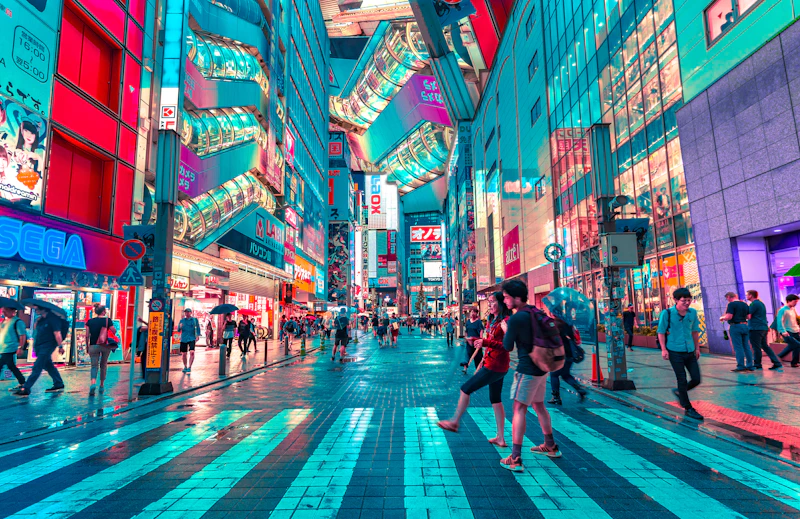
Tokyo is not one city. It's 40 or 50 neighbourhoods, each operating as its own village with its own logic and its own crowd. Shimokitazawa is for musicians, second-hand record shops, and theatre people. Yanaka is where the pre-earthquake Tokyo still exists in wooden houses and small shrines and a cemetery that doubles as a park. Koenji is where the young people who find Shimokitazawa too self-conscious end up. Nishi-Ogikubo is antiques. Nakameguro is fashion. Roppongi is finance and expats and the art museums.
Understanding Tokyo means understanding that the version of the city you're in depends entirely on which train line you get off at, and that the city is generous enough to contain all of these versions simultaneously without any of them diluting the others. The mistake is treating it as a single place with a center you can cover in a week.
When to go
Cherry blossom season in late March and early April is the most beautiful the city gets. It's also when the tourist surge hits levels that would have been unimaginable ten years ago. The famous spots (Shinjuku Gyoen, the Meguro River, Ueno Park) are packed by 10am. If you want to see the blossom, go early in the morning, before the crowds arrive, and accept that you're sharing it.
My preference is autumn: October and November, when the momiji (maple) leaves turn red and orange and the air goes clear and cold. The tourist density is lower, the city is running at its normal pace, and the light in the afternoon has a quality that doesn't exist in summer. January is cold and quiet and the ramen and the sake hit differently when you need them. Avoid July and August: the heat and humidity are relentless, and the city is less pleasant than it deserves to be.
Getting there & around
Narita Airport is an hour from the city by limited express (Narita Express from the JR side, or the Keisei Skyliner which is faster and cheaper). Haneda is 30 minutes and handles more international routes every year. If you have the choice, choose Haneda.
Buy a Suica card from the airport machines. It takes two minutes, it works on every train, subway, and bus in Tokyo, and it works at convenience stores and many restaurants. Put money on it and forget about cash for most daily transactions. The train network looks impenetrable on a map but behaves rationally: each line has a direction and a colour and the stations announce themselves in English. Use Google Maps for every journey until you know your lines, which happens faster than you'd expect. Taxis exist but the traffic is unpredictable and they're expensive. Walk when you can.
Where to stay
Shinjuku and Shibuya are the obvious bases: central, dense with options, everything within reach. For a first trip, Shinjuku makes sense: you can orient from there. For any subsequent trip, consider basing yourself in a neighbourhood instead. Shimokitazawa, Nakameguro, and Yanaka all have small hotels and guesthouses that put you in the city at street level rather than above it.
Asakusa is the tourist neighbourhood and it functions well as one: the oldest temple in Tokyo, the craft shops, the rickshaw operators, the morning quiet before the crowds. It's fine to stay there. It's just not the Tokyo that most Tokyoites live in, and after one trip you'll probably want that version.
What to eat
Tokyo has more Michelin stars than any other city, which is a statistic that obscures what's actually interesting about eating here. The interesting thing is that every neighbourhood has a ramen shop, a yakitori bar, and a set-lunch restaurant for salarymen that are all excellent and cost almost nothing.
The soba at Honmura An (Roppongi) is the best I've eaten in 18 years in this city. The yakitori at the small charcoal-grill places under the train tracks at Yurakucho (standing or at cramped counters, smoke in your coat, cold beer) is what I eat once a month. Tsukiji outer market is the best breakfast in the city at 7am: tuna sashimi, sea urchin, tamagoyaki, before the tourist groups arrive. And the convenience store food (7-Eleven and FamilyMart specifically) is not a joke. The onigiri, the egg sandwiches, the nikuman at the hot counter: all of it is genuinely good and designed to be eaten quickly at a street corner.
What to see & do
The temples and shrines are active places of worship that happen to be open to visitors, not tourist attractions that happen to look religious. Senso-ji in Asakusa, Meiji Jingu in Harajuku, and hundreds of smaller neighbourhood shrines throughout the city. The small neighbourhood shrines are the ones worth finding: there'll be nobody there, the atmosphere is completely different from the famous ones, and the experience of stumbling across a shrine in a residential street at dusk is particular to Tokyo and not replicable anywhere else.
TeamLab's installations are worth a visit if you want to understand what Tokyo's visual culture is producing right now. The sumo morning practice (keiko) sessions at stables in Ryogoku can be observed at some stables if you contact them in advance. It's the less-known version of the sport and the right one: the actual athletes, the actual training, 7am in a cold practice room. Yanaka Cemetery at dusk. Shimokitazawa on a Sunday afternoon when the second-hand shops are open and the music venues are doing soundchecks. These are the Tokyos that don't appear on highlight reels.
Know before you go
The city has moved substantially toward cashless in the past five years. The Suica card and credit cards work almost everywhere now. The old "cash only" rule still applies at some very small restaurants and traditional craft shops. Keep 3,000 to 5,000 yen on you.
Japanese matters even minimally. Not because English doesn't work (it's much more functional in Tokyo now than it was five or eight years ago) but because the act of trying changes the interaction. "Sumimasen" (excuse me) gets doors open. "Kore, onegaishimasu" (this one, please) while pointing at a menu gets you fed. The train system is logical once you stop treating it as overwhelming. Each line has one direction, one colour, one purpose. Start with one line. You'll have the logic within a day.