← Discover
Tratwo Editorial · Destination Guide
Bali
Indonesia
This guide is written in two voices. The Local has lived here. The Returner keeps coming back.
The local
Two decades in Bali, the last seven mostly in and around Canggu before it became what it is now. Still knows which mornings are worth getting up for.
The soul of the place
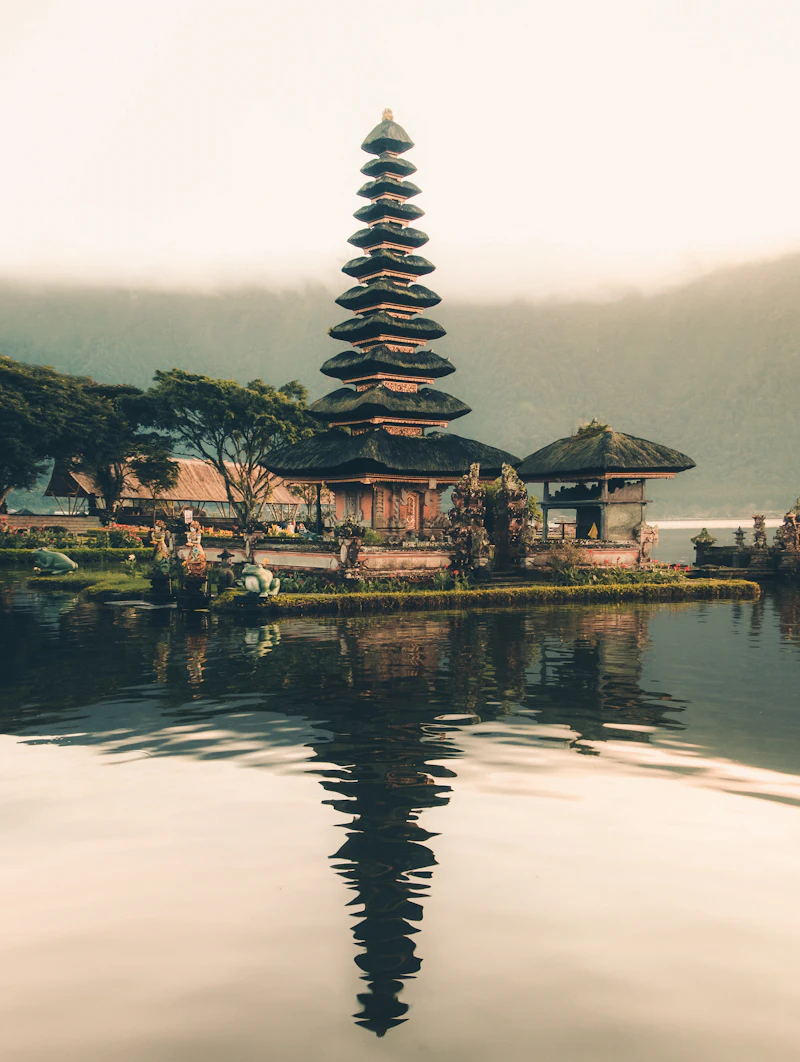
The Bali that most people come for (the rice terraces, the temples, the offerings left on doorsteps every morning) is completely real. It's also completely separate from the Bali that most people experience. The ceremonies still happen. The women still carry towers of fruit and flowers to the temple on their heads. The priests still chant at 5am. This is not performance. It's a living religious system that has been maintained for a thousand years and will continue regardless of what happens in the hostel on the corner.
The mistake is thinking you'll get access to it just by showing up. You won't, not in two weeks, probably not in two years. What you might get, if you're patient and quiet about it, is to watch it from the edge. That's not nothing. That's actually quite a lot.
When to go
Avoid July and August. The island is at capacity and has been for years. The road from Ubud to Canggu that used to take 20 minutes now takes an hour and a half on a bad day. May, June, and September are better: dry, warm, and you can get a table without booking two weeks in advance.
If you want to see the island the way it actually works, come in January. The ceremonies are more frequent in the wet season. The rain is manageable if you embrace it rather than schedule around it. You'll be the only foreigner at half the places you go, and the places will be noticeably different without an audience.
Getting there & around
The airport is in Denpasar. Everyone lands there and takes a taxi to Canggu, Ubud, or Seminyak. The road between these places is not a joy. Rent a scooter if you can ride one: this is the only way to actually see anything between destinations, to stop when you want, to find the things that aren't on any list because they don't have a sign.
The toll road (Bali Mandara) is the fastest route from the airport to Canggu and worth the small fee. Don't rent a car unless you have a specific reason to. The roads in the south are made for scooters, not for cars, and the traffic will defeat you.
Where to stay
Everyone stays in Canggu or Seminyak. This is fine if what you want is coffee shops and content. Ubud is the more interesting choice: it's the cultural center of the island, not a resort village with a nice backdrop.
The problem with Ubud is that it's been discovered and the main street is now essentially a shopping gallery. Stay slightly outside: Penestanan, Lodtunduh, Mas. Small family compounds called pondoks. You'll have neighbors. You'll hear the gamelan practice in the community hall at night. This is the point of being there.
What to eat
Warung food is the thing. Nasi campur from a good warung (rice surrounded by six or eight small preparations of meat, vegetables, and sambal) is the best meal you'll have in Bali. The best warung I know is not on any list, because the places that get on lists get busy, get discovered, and change.
Babi guling, suckling pig slow-roasted on a spit, is the other essential. Ibu Oka in Ubud is known and still worth going to. The lineup is part of the experience now. Sate lilit, fish satay on lemongrass skewers served from night markets, is something you should eat every other day. Skip the restaurants that serve Western food in a Balinese garden. That combination produces the worst of both.
What to see & do
The temples require respect and actual effort, not just a sarong rental at the gate. Tanah Lot is fine if you go at dawn before the tour buses arrive. Pura Lempuyang is extraordinary but the queue for the "gates of heaven" photograph is three hours. Go anyway and skip the photograph: the temple complex behind the Instagram moment is the thing, and almost nobody walks it.
Tirta Empul, the holy spring temple near Tampaksiring, is where Balinese people go to purify themselves in the spring pools. You can participate if you're dressed correctly and take it seriously. This is not a show for visitors.
The Tegallalang rice terraces are overrun. The terraces near Jatiluwih, 15 minutes further north and part of a UNESCO-listed landscape, are wider, less visited, and essentially the same view.
Know before you go
The drivers will quote three or four times the going rate. Bargain without aggression and you'll pay roughly twice what a local pays, which is fair. The traffic in the south is a genuine planning problem: add 40 minutes to every journey that passes through Canggu or Seminyak.
The currency is rupiah and you need cash for almost everything that matters. Credit cards work at tourist-facing establishments and nowhere else. The Monkey Forest in Ubud: the monkeys will take your things. This is not a figure of speech.